Frontiers of Criminology, Warsaw, 9-12 September 2026
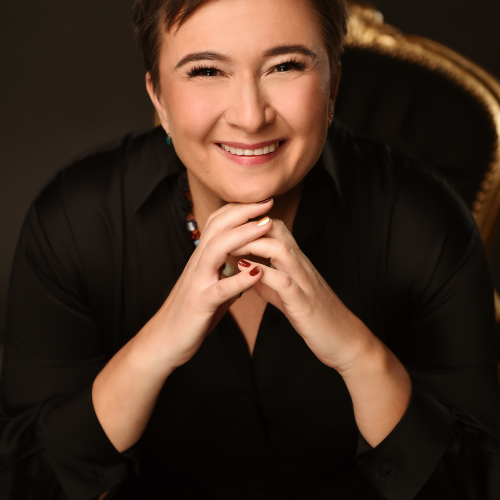
Dagmara Woźniakowska
University of Warsaw
09-06-2026
How Do We Understand the “Frontiers of Criminology”?
In our rapidly changing world, boundaries of all kinds – technological, social, climate and environmental, legal – are constantly renegotiated. As criminologists, we are challenged to ask anew: Where are the boundaries between crime and non-crime today? Some acts vanish from penal codes as they become obsolete (e.g., "impulse theft from public payphones" – siphoning phone credits – unfamiliar to younger generations). Others emerge with technology, like deepfake frauds. Still more spark debate: acts seen as harmful or immoral by many yet legally tolerated, such as fur farming, which remains legal in Poland despite growing ethical concerns.
We must also question the boundaries of Human Rights – and whether humanity itself has limits. Fierce disputes, fuelled by far-right groups in the Global North, target transgender rights and migrants' place in society. For people on the move, humanitarian boundaries collide with geopolitical borders and the regimes that enforce them.
Digital spaces create yet another frontier: Where do Human Rights stand in cyberspace, especially as AI-related harms grow – from manipulative algorithms to technology-enabled harassment?
This leads us to a crucial question: Are we, as criminologists, doing enough to protect humanitarianism, fairness, and human dignity?
At the same time, new frontiers are emerging in areas such as environmental and climate justice: how should Criminology respond to ecological harms, climate-related conflicts, environmental victimisation, and the inequalities produced by global energy transitions? We must also consider the rural and peripheral frontier, examining how crime, safety, resilience, and access to justice are experienced beyond metropolitan centres, in regions facing depopulation, marginalisation, and uneven development. Equally pressing is the frontier of data, surveillance, and algorithmic governance: the growing role of predictive policing, big data, and artificial intelligence raises urgent questions about bias, legitimacy, accountability, and the future of democratic control over security. Finally, the youth frontier reminds us that the boundaries between experimentation, risk-taking, and criminalisation are especially fragile in adolescence. Understanding peer influence, maturity gaps, and the critical moments that shape desistance is essential to preventing harm before it solidifies in adulthood.
Daily news from Ukraine under ongoing Russian attacks tests frontiers of humanity. Atrocities and crimes against humanity unfold in Europe, on our doorstep and at the EU's edge. Conflicts beyond Europe also affect our community. We therefore invite balanced, thoughtful, respectful scholarly debate in Warsaw. No topic is too difficult – but all will be approached with care and without hostility.
Hosting Eurocrim 2026 in Poland, a country located on the EU’s periphery, allows us to amplify underrepresented voices. Societal shifts often differ here from the centre, offering unique insights. Eurocrim 2026 will explore Criminology's frontiers: those reached, those ahead, and lessons from peripheral regions.
A Fresh Approach to Plenary Sessions
This year, plenaries shift to roundtable discussions, replacing loosely connected keynotes. These topics matter to all criminologists – our field is interconnected.
- Thursday, 10 September: European Entanglements in Atrocity Crimes and Transitional Justice: A Dialogue?. Join the dialogue – understanding mass harms strengthens global prevention.
- Friday, 11 September: Victims of crime. Why attend? Insights into needs and vulnerabilities inform justice systems, prevention, and restoration.
- Saturday, 12 September: Youth and crime. Why attend? Grasping troubled youth prevents troubled adults, breaking harm cycles for opportunity.

Why Come to Warsaw?
Eurocrim is renowned for its scientific excellence – expect intellectually intense and inspiring days.
The University of Warsaw’s venues are centrally located, making it easy to walk to sessions if you stay nearby. For those staying farther away, free public transportation passes will be provided thanks to the City of Warsaw and the Warsaw Tourism Organisation.
Warsaw is a major scientific and cultural hub. Almost entirely destroyed during World War II, it has since been rebuilt into a vibrant, diverse city featuring museums, theatres, historical sites, and green areas. The Warsaw Tourism Organisation will offer guided tours for anyone wishing to explore.
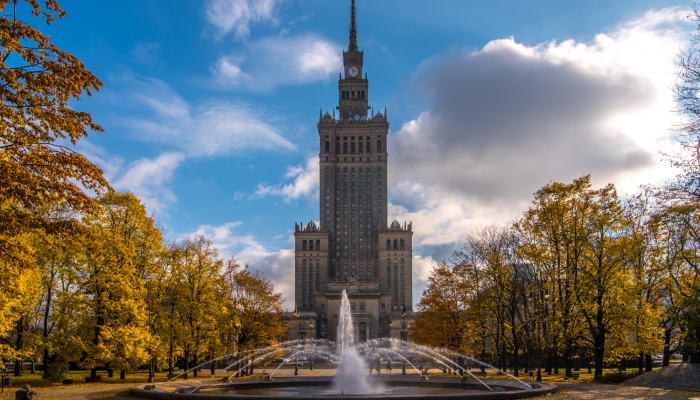
The farewell dinner will take place at the iconic Palace of Culture and Science – once a symbol of the 1950s Soviet era, now a beloved part of Warsaw’s skyline.
Although Eurocrim days are busy, Warsaw offers many ways to relax: diverse global cuisine, numerous cafés and bars, and one of Europe’s most vegan-friendly food scenes.
Nearly 40% of the city is green space, including parks, squares, urban forests, and the scenic Vistula riverbanks with eight city beaches.
Join us – Warsaw awaits!
In the meantime, visit the conference website and follow us on Facebook. Or scan the QR Code.
